Fed Reform, AI, and Interest Rate ETFs: Navigating Disinflationary Traps
Fri May 08 2026
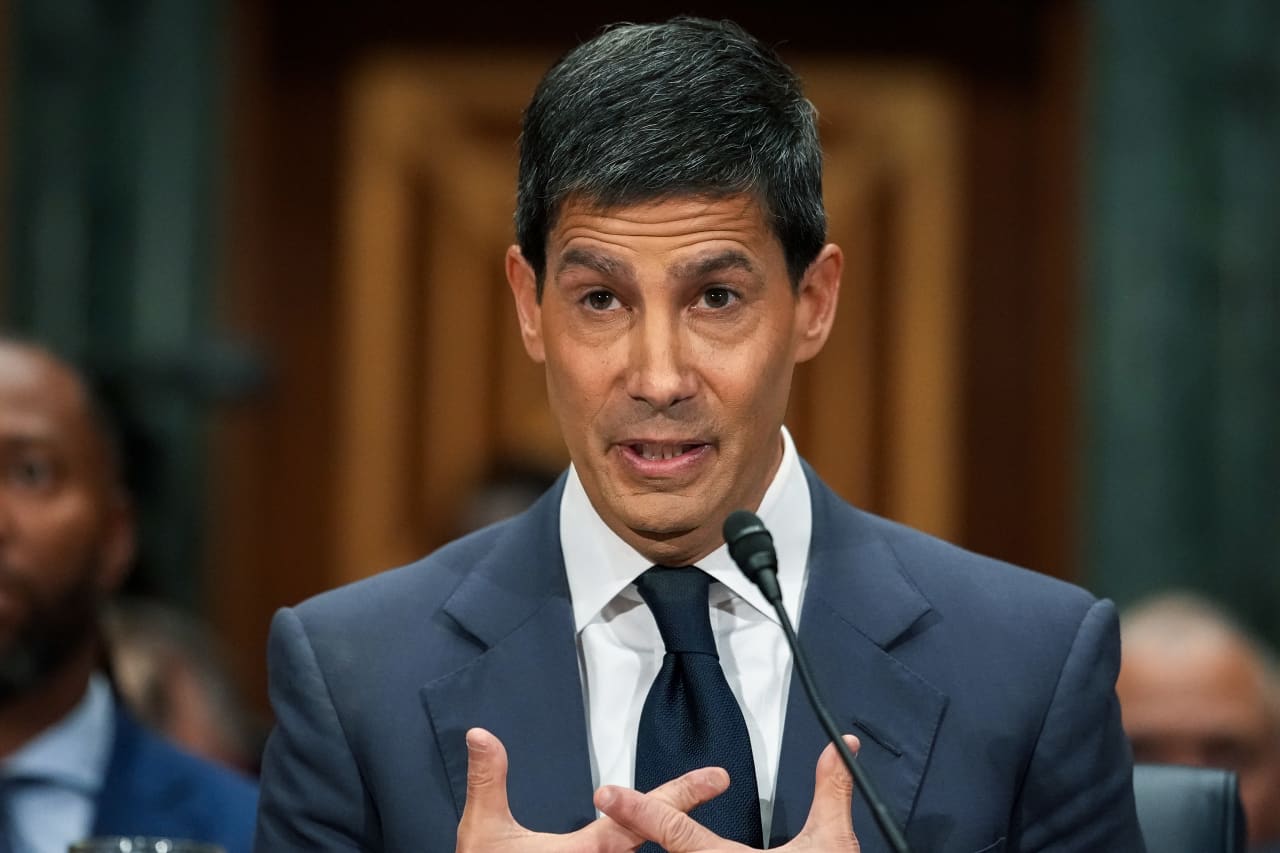
The debate around Federal Reserve reform and the disinflationary potential of AI is stirring discussions about future interest rate movements, impacting ETFs like RATE.
Fed Reform, AI, and Interest Rate ETFs: Navigating Disinflationary Traps
According to an article in MarketWatch Top Stories, the ongoing dialogue surrounding Federal Reserve reform is being shaped by differing views on inflation and the economic impact of artificial intelligence (AI). A key point of contention is the belief that AI's disinflationary potential might lead to premature interest rate cuts, creating a 'trap' for policymakers and, by extension, investors who monitor rate-sensitive assets. This perspective suggests that while calls for Fed reform may have merit, the underlying assumptions about AI's immediate and guaranteed impact on inflation could precipitate policy errors with significant implications for the broader market and specific exchange-traded funds (ETFs).
What Happened
The MarketWatch article highlights a debate where some, like Kevin Warsh, advocate for Federal Reserve reform. However, the core of the discussion revolves around the potential for AI to act as a significant disinflationary force in the economy. The concern raised is that if policymakers embrace this view too readily, it could lead to an environment where interest rates are cut prematurely. Such a scenario would misinterpret the true inflationary pressures and could result in unintended economic consequences.
Why It Matters for ETF Investors
For ETF investors, the Federal Reserve's stance on inflation and interest rates is paramount. Monetary policy decisions directly influence bond yields, corporate borrowing costs, and the overall economic landscape, all of which ripple through various ETF categories. If the Fed were to implement premature rate cuts based on an overly optimistic assessment of AI's disinflationary power, it could lead to increased market volatility, unexpected inflationary surges down the line, or an ill-timed softening in economic conditions. Conversely, if the Fed holds rates higher for longer to combat perceived inflation despite AI's potential, certain interest-rate sensitive ETFs could face prolonged headwinds. Understanding the nuances of this debate is crucial for positioning portfolios effectively.
Affected ETFs
The primary ETF directly affected by discussions around interest rate movements and inflation hedging is the Global X Interest Rate Hedge ETF (RATE). This ETF is designed to provide investors with a way to potentially benefit from rising interest rates or to hedge against interest rate risk. If the Federal Reserve is swayed into premature rate cuts due to anticipated disinflation from AI, the efficacy and performance of RATE could be significantly impacted. Investors in RATE are effectively making a bet on the direction of interest rates, and this debate directly influences that outlook.
Sector / Classification Impact
The debate has implications primarily for the 'alternatives' asset class and 'Hedge Fund' category, where RATE resides. These classifications often encompass strategies designed to navigate specific market conditions, including interest rate fluctuations and inflationary pressures. A misstep in monetary policy, whether it be premature rate cuts or an overly aggressive tightening cycle, can dramatically alter the performance landscape for these types of funds. Investors in the alternatives space often seek non-correlated returns or specific hedging capabilities, and the assumptions about inflation and interest rates are fundamental to their investment theses. Beyond these, the broader fixed income market, particularly bond ETFs across various maturities and credit qualities, would also feel the effects of shifts in interest rate expectations.
Bottom Line
The discussion around Federal Reserve reform intersects with the potential disinflationary impact of AI, creating a complex outlook for interest rate policy. The risk of premature rate cuts, driven by an overestimation of AI's economic effects, could have significant implications for ETF investors, particularly those in interest-rate hedging strategies like RATE. Monitoring the Fed's stance on inflation and its interpretation of technological advancements will be crucial for navigating these market dynamics.
Source: MarketWatch Top Stories — https://www.marketwatch.com/story/kevin-warsh-is-right-about-fed-reform-but-his-inflation-solution-is-a-trap-eee3c403?mod=mw_rss_topstories
---