Fed Signals No Imminent Rate Cuts or Hikes Under Warsh, Impacting Interest-Rate Sensitive ETFs
Sat May 23 2026
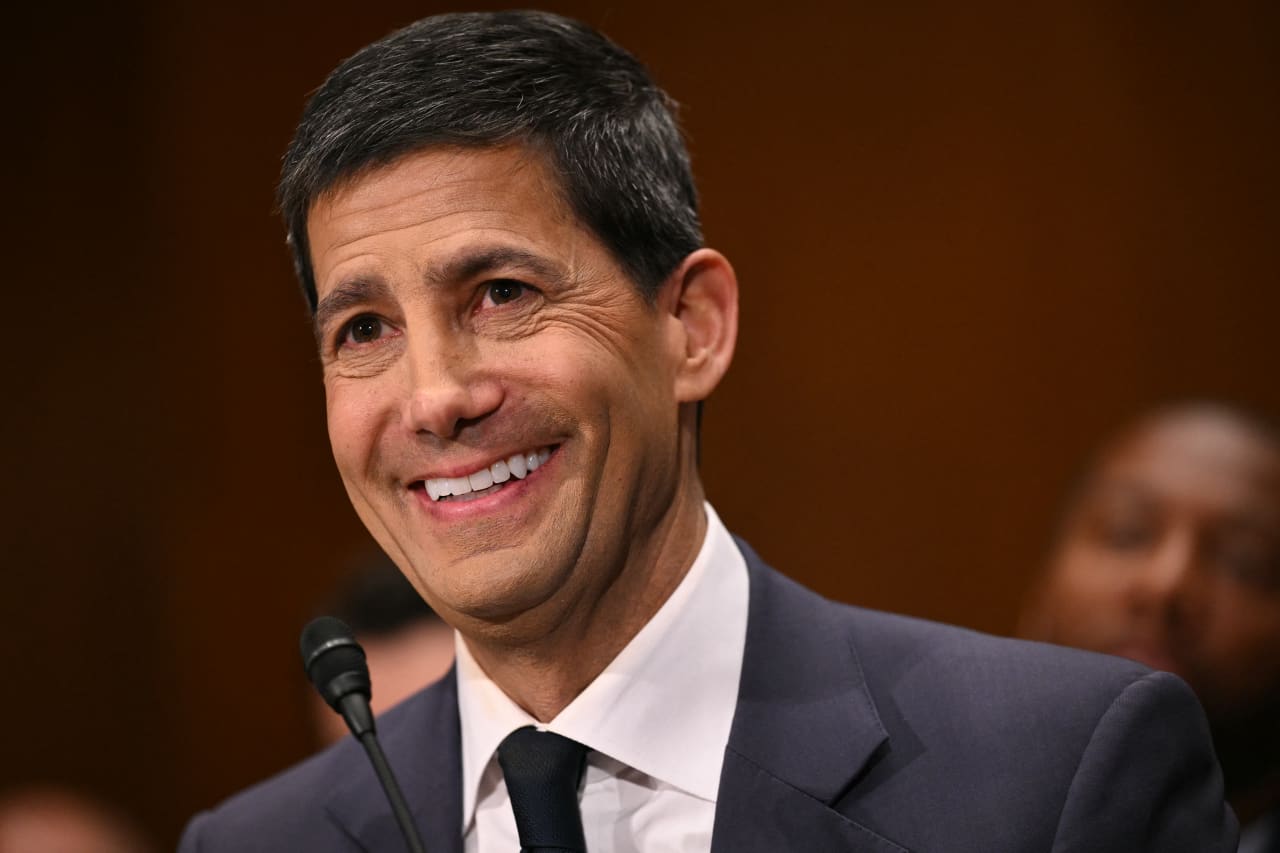
The Federal Reserve maintains a steady course on interest rates under new Chair Kevin Warsh, signaling no immediate cuts or hikes. This outlook has significant implications for ETFs, particularly those sensitive to interest rate fluctuations.
The Federal Reserve, now under the stewardship of Kevin Warsh, is signaling a period of stability regarding its benchmark interest rate, asserting that neither a rate cut nor a hike is immediately on the horizon. This cautious stance, as reported by MarketWatch Top Stories, emerges amid persistent inflation concerns, effectively putting the brakes on previous expectations for monetary easing. For ETF investors, this signals a need to assess portfolios for their sensitivity to a prolonged neutral interest rate environment.
What Happened
According to an exclusive report from MarketWatch Top Stories, the Federal Reserve, under its new Chair Kevin Warsh, is not planning to reduce borrowing costs in the near future. This decision is primarily driven by what the report characterizes as "resurgent inflation." Concurrently, the possibility of an interest rate increase is also deemed unlikely at this juncture. This indicates a "wait and see" approach from the central bank, suggesting that market participants should not anticipate significant shifts in monetary policy in the short to medium term.
Why It Matters for ETF Investors
The Federal Reserve's commitment to a stable monetary policy, eschewing both cuts and hikes, carries substantial implications for various asset classes and investment strategies. For fixed income ETFs, a prolonged period of steady rates could mean reduced volatility in bond prices, but also potentially lower opportunities for capital appreciation if rates are not falling. Conversely, equity markets might find some stability in the absence of aggressive rate hikes, though persistent inflation could still pose headwinds to corporate earnings and valuations. Investors focused on income-generating strategies or those using hedging instruments will need to carefully consider how this environment impacts the yields and performance of their holdings. Understanding how different ETFs perform under various interest rate scenarios can be critical; investors can use tools to compare various ETFs based on their interest rate sensitivity.
Affected ETFs
ETFs designed to hedge against interest rate fluctuations or those particularly sensitive to changes in borrowing costs will be directly impacted by the Fed's current stance. One such fund is the RATE (Global X Interest Rate Hedge ETF). As an alternative strategy ETF focusing on interest rate spreads, RATE aims to provide a hedge against adverse interest rate movements, particularly rising rates. In an environment where the Fed is explicitly stating that rate hikes are off the table for now, but also cuts, the specific dynamics for such hedging strategies become nuanced. While the immediate threat of rapidly rising rates diminishes, the absence of cuts means the underlying conditions the ETF seeks to capitalize on remain static, impacting its performance profile. Investors seeking to understand the specific components and historical performance of such funds can utilize our screening tool.
Sector / Classification Impact
The broader implications extend beyond specific hedging products, affecting several key classifications within the ETF universe. The alternatives asset class, which includes strategies like hedge funds, will experience evolving dynamics. Funds structured as Hedge Fund ETFs, such as RATE, often employ complex strategies that may thrive on volatility or specific directional movements in interest rates. A neutral rate environment means these funds must adapt their strategies. If the spread between short-term and long-term rates remains stable, for instance, strategies betting on or against significant shifts in the yield curve may see altered returns. Furthermore, any sector with high debt levels, or those that are particularly capital-intensive, would generally prefer lower rates. While the immediate pressure of rising rates is off, the absence of lower borrowing costs means their cost of capital remains steady, potentially impacting growth prospects. Investors considering how these broader market shifts impact their overall portfolio might find our portfolio analysis tools valuable for assessing potential risks and opportunities.
Bottom Line
The Federal Reserve's decision to hold steady on interest rates, neither cutting nor hiking, marks a significant but stable period for the markets. While this removes the immediate tail risk of aggressive monetary tightening, it also eliminates the potential boost from rate cuts. For ETF investors, this underscores the importance of scrutinizing funds particularly sensitive to monetary policy, such as those within the alternatives asset class and specifically Hedge Fund categories. The focus should shift to funds that can perform robustly in a neutral rate environment, emphasizing fundamental strength rather than interest rate speculation.
Source: MarketWatch Top Stories — https://www.marketwatch.com/story/kevin-warshs-fed-isnt-cutting-interest-rates-any-time-soon-but-a-hike-isnt-yet-on-the-table-either-aee28c06?mod=mw_rss_topstories
---
Source: https://www.marketwatch.com/story/kevin-warshs-fed-isnt-cutting-interest-rates-any-time-soon-but-a-hike-isnt-yet-on-the-table-either-aee28c06?mod=mw_rss_topstories