Nvidia's AI Chip Dominance Faces Credit and Power Grid Headwinds, Impacting Infrastructure ETFs
Thu May 21 2026
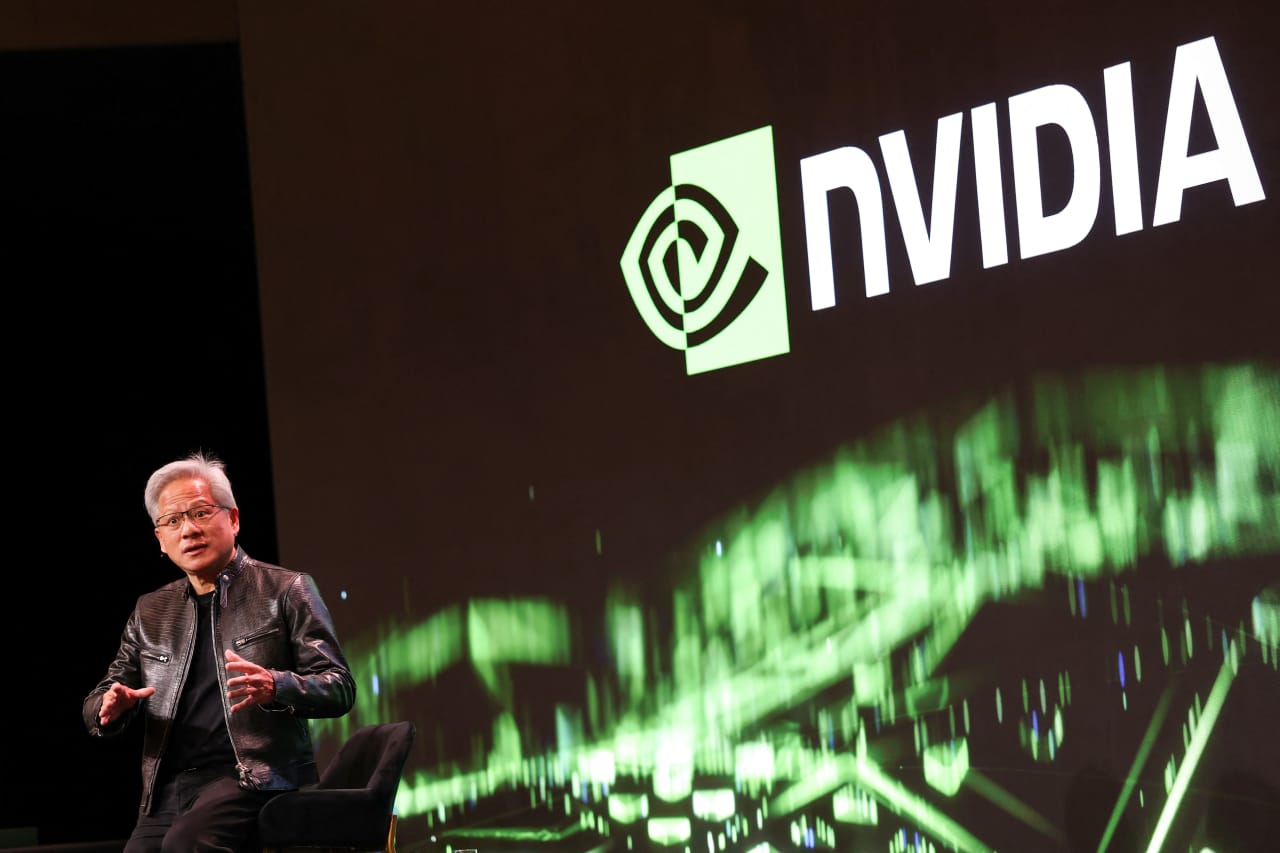
Nvidia can deliver AI chips, but its growth, and by extension that of the tech sector, faces significant obstacles from rising credit premiums and strained power grid infrastructure, according to a recent MarketWatch report. This challenge highlights risks for ETFs focused on infrastructure and technology.
Nvidia's capacity to produce advanced AI chips is robust, yet the broader technological landscape faces significant headwinds from escalating credit premiums and limitations within power grid infrastructure. According to MarketWatch Top Stories, these factors present a substantial challenge, even for market leaders like Nvidia, implying broader implications for the technology sector and related investment vehicles. This dynamic suggests that while demand for AI capabilities remains high, the foundational elements required to support this growth are under increasing strain, affecting areas such as data centers and the overall energy supply chain crucial for AI operations.
What Happened
The MarketWatch report highlights that corporate profitability, even from a dominant player like Nvidia, may not be sufficient to overcome systemic issues such as a turbulent trade environment with China, rising costs in credit markets, and physical constraints in AI infrastructure. Specifically, the article notes that Nvidia may be able to deliver its much-needed chips, but it cannot resolve the credit crunch affecting large technology companies nor the strain on the power grid. These challenges stem from a confluence of macroeconomic factors and the sheer energy demands of artificial intelligence, which necessitate robust and reliable electrical infrastructure. The increasing cost of borrowing, coupled with the immense power requirements for operating AI data centers, presents a dual challenge that could impede the expansion plans of tech giants.
Why It Matters for ETF Investors
For ETF investors, these developments signal potential risks and opportunities across various sectors. The reliance of AI on extensive computing power translates directly into a need for more sophisticated and expanded electric energy infrastructure. Funds concentrating on this sector, such as those tracking smart grid technologies or alternative energy infrastructure, could see both increased demand for their underlying assets and significant capital expenditure requirements to meet future needs. Conversely, any slowdown in AI development or deployment due to these infrastructure bottlenecks could temper growth expectations for technology-focused ETFs. Investors should consider how these macro challenges might affect their long-term allocations, particularly in growth-oriented technology funds versus more infrastructure-centric investments. Understanding the interconnectedness of these factors is crucial for making informed investment decisions, which can be explored further by utilizing an ETF screener to identify funds aligned with these themes.
Affected ETFs
The most directly affected ETF from our database in this scenario is GRID (First Trust Nasdaq Clean Edge Smart GRID Infrastructure Index). The fund focuses on companies involved in electric energy infrastructure, including smart grid, electricity transmission and distribution, and renewable energy integration. The challenges to the power grid, as highlighted by the MarketWatch report, directly impact the operational environment and growth prospects for companies within GRID's portfolio. While increased demand for energy infrastructure for AI could benefit the fund in the long run, the immediate pressures of upgrade costs and potential bottlenecks could introduce volatility. Investors looking to compare ETFs focused on infrastructure might find GRID particularly relevant in the context of these developments.
Sector / Classification Impact
This situation primarily impacts the Electric Energy Infrastructure sector, which is vital for supporting the burgeoning demands of the artificial intelligence industry. The need for advanced, resilient power grids and increased energy generation capacity is paramount for sustaining the growth of AI technologies. The constraints mentioned in the report underscore that even with leading-edge chip technology, the physical and financial infrastructure must keep pace. This creates a significant focus on the underlying hardware and services that connect the digital world to continuous, reliable power. The broader implications extend to the Alternative Energy Equities category, as renewable sources are often integrated into smart grid solutions to enhance sustainability and capacity. The overall segment of Equity: Global Infrastructure also plays a critical role, as these infrastructure limitations are not isolated to one region but represent a global challenge.
Bottom Line
While Nvidia continues to innovate and deliver crucial AI chips, the broader ecosystem faces considerable challenges related to credit availability and power grid capacity. These hurdles are likely to influence the pace of AI development and adoption, with direct implications for investment vehicles tied to technology and, more importantly, electric energy infrastructure. Investors should monitor these macroeconomic and infrastructural factors closely, particularly their impact on specialized funds like GRID, as they navigate the evolving landscape of AI-driven growth. The ability of the world's infrastructure to adapt will be key to unlocking the full potential of AI.
Source: MarketWatch Top Stories — https://www.marketwatch.com/story/nvidia-can-deliver-chips-but-it-cant-buy-big-tech-out-of-its-credit-and-power-grid-crisis-9c114e62?mod=mw_rss_topstories
---