Rising Costs Drive Consumers to "Buy Now, Pay Later" for Essentials: An ETF Angle
Tue Jun 02 2026
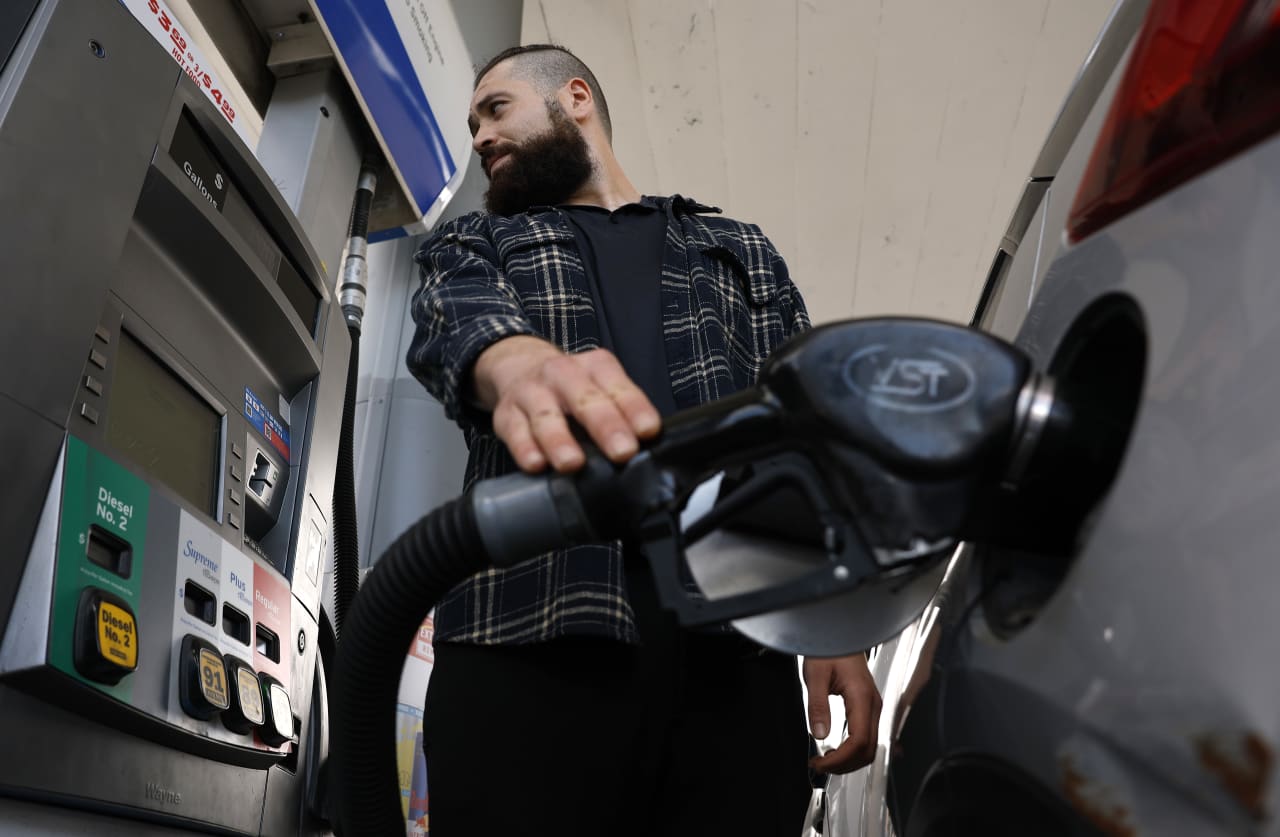
The growing reliance on "buy now, pay later" for gas and groceries highlights consumer financial stress, potentially impacting short-term bond ETFs.
Americans are increasingly resorting to "buy now, pay later" (BNPL) services for essential purchases such as gasoline and groceries, a trend indicative of persistent inflationary pressures and strained household budgets. According to MarketWatch Top Stories, this growing reliance on installment payments for daily necessities underscores the financial challenges many consumers face as prices for everyday goods continue to climb. For ETF investors, this shift in consumer behavior could have implications across various market segments, particularly those tied to consumer credit and short-term financial stability.
What Happened
The source highlights a notable increase in the use of BNPL services for routine expenses like gas and groceries. This phenomenon suggests that elevated costs for basic necessities are forcing consumers to spread out payments, even for relatively small transactions. With gas prices, for example, considerably higher than the previous year, the financial burden on households has intensified, making BNPL an appealing option for managing immediate cash flow.
Why It Matters for ETF Investors
The widespread adoption of BNPL for essentials points to broader economic anxieties and potential weakening in consumer discretionary spending. When consumers allocate more of their income (or future income via BNPL) to basic needs, less is available for non-essential purchases. This could signal a slowdown in sectors reliant on robust consumer spending. Furthermore, from a fixed income perspective, the increased use of short-term credit facilities like BNPL, especially for unavoidable expenses, suggests that household finances are becoming tighter. This environment might influence the risk profiles of various debt instruments and could indirectly affect sentiment around short-duration fixed income assets. Investors seeking to understand broader market movements might consider tools like an /screener to filter ETFs by their underlying bond types.
Affected ETFs
While BNPL primarily impacts consumer credit and retail, its broader economic implications can touch fixed-income markets. Specifically, ultra-short-term bond ETFs, which invest in very short-duration debt instruments, could be indirectly affected by shifts in consumer financial health and credit market sentiment. Funds like YEAR, the AB Ultra Short Income ETF, hold investment-grade, ultra-short-term bonds. While these funds are generally considered lower risk due to their short duration, widespread consumer financial strain leading to higher defaults in credit markets could, in extreme scenarios, ripple through broader financial systems and impact even high-quality short-term debt.
Sector / Classification Impact
This trend directly impacts the Fixed Income asset class, particularly within the Broad Market, Broad-based Investment Grade Ultra-Short Term segment. The increased reliance on BNPL for essentials could signal potential stress in consumer credit, which, while not immediately threatening to investment-grade debt, is a metric worth monitoring for overall economic health. A rise in short-term consumer credit usage for necessities could indirectly affect market perceptions of short-term liquidity and credit risk. Moreover, the broader Category of Broad Market, Broad-based fixed income strategies would be prudent to observe these consumer trends as indicators of underlying economic resilience.
Bottom Line
The rising use of "buy now, pay later" for everyday necessities like gas and groceries is a critical sign of consumer financial stress amidst elevated costs. ETF investors should view this as an indicator of potential shifts in consumer spending patterns and as a factor to consider when evaluating the stability and outlook of fixed income markets, particularly those focused on shorter-duration debt. Understanding these subtle economic signals can aid in portfolio construction and risk management, prompting a closer look at strategies that can navigate evolving credit landscapes. Investors often use an /portfolio planning tool to assess how different asset classes contribute to their overall investment goals.
Source: MarketWatch Top Stories — https://www.marketwatch.com/story/americans-are-using-buy-now-pay-later-for-gas-and-groceries-showing-just-how-expensive-daily-necessities-are-now?mod=mw_rss_topstories
---